
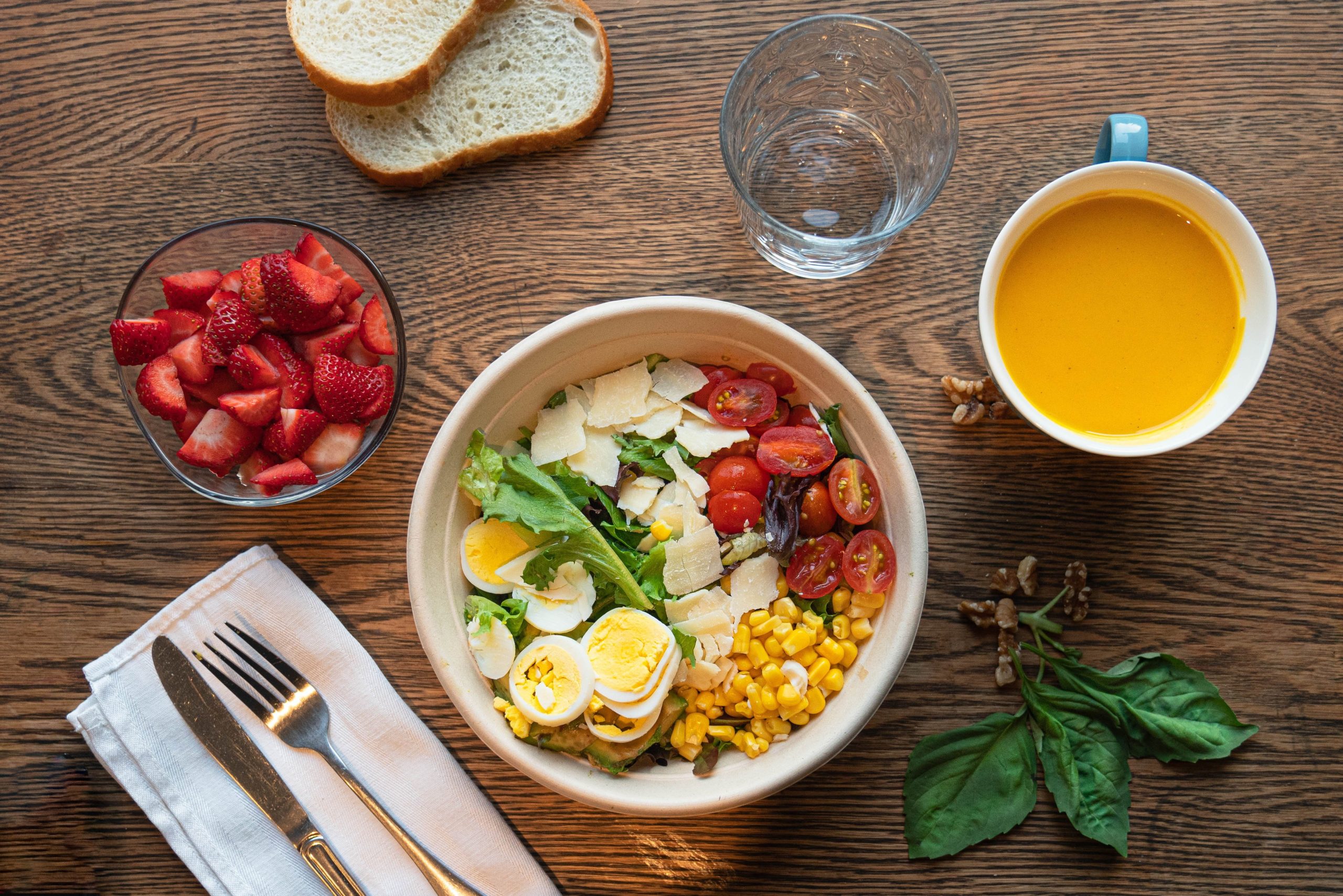
Dining out often represents a challenge for vegans and vegetarians. Many restaurants still have a scarce vegan and vegetarian offer, with salads and side dishes often being the best options to choose from. The demand for vegan and vegetarian options is nevertheless on the rise as consumers learn and rethink the meat and dairy industries’ effect on the environment, animals, and health.
It is crucial to first distinguish vegetarians from vegans. A vegetarian is a person who abstains from eating meat, which includes poultry, red meat, fish, insects, and other animal products. Any source of food that comes from the flesh or body part of an animal, such as gelatin, is typically abstained from. In addition to not eating anything a vegetarian does, vegans don’t consume dairy milk, dairy cheese, eggs, honey, or any other animal-derived products.
Five types of veganism
- ETHICAL VEGAN is someone who not only follows a vegan diet but extends the philosophy of living a more compassionate lifestyle into other areas, thus, for example, avoiding using products tested on animals, or visiting zoos and aquariums.
- PLANT-BASED VEGANS choose to follow a vegan diet for health or weight-loss reasons. A plant-based diet is about eating food that was grown in the ground and prepared in a way that preserves as many natural nutrients as possible. To eat (more) clean, they often avoid processed food altogether.
- RAW VEGANS do not eat anything heated up above 40, max. 49 °C, so their diet usually consists of fruits, vegetables, nuts, grains, and legumes. They eat a lot of salads, but they also prepare their food by soaking, sprouting, blending, or dehydrating it.
- HIGH CARB LOW FAT VEGANS (HCLF) eat many carbs in the form of fruit, vegetables, and grains, and as little fat as possible. HCLF has various options; some prefer carbohydrates from fruit and vegetables, while others eat a lot of potatoes, rice, and pasta. Healthy fats like avocado, seeds, and nuts are still essential in the diet.
- ENVIRONMENTALLY CONSCIOUS VEGANS choose to reduce their environmental impact on Earth, as they are aware that consumption of dairy and meat puts a lot of pressure on the environment.
Six types of vegetarianism
- LACTO-VEGETARIANS do not eat red or white meat, fish, fowl, or eggs, but they do consume dairy products
- OVO-VEGETARIANS do not eat red or white meat, fish, fowl, or dairy products, but they do consume egg products.
- LACTO-OVO VEGETARIANS do not consume red meat, white meat, fish, or fowl, but they do consume dairy products and egg products.
- PESCATARIANS are considered “semi-vegetarian” as they restrict their meat consumption to fish and seafood only.
- POLLOTARIANS are considered “semi-vegetarian” as they restrict their meat consumption to poultry and fowl only.
- FLEXITARIANS are on a plant-based diet with the occasional meat item on the menu
Photo: Pixabay.ccom