
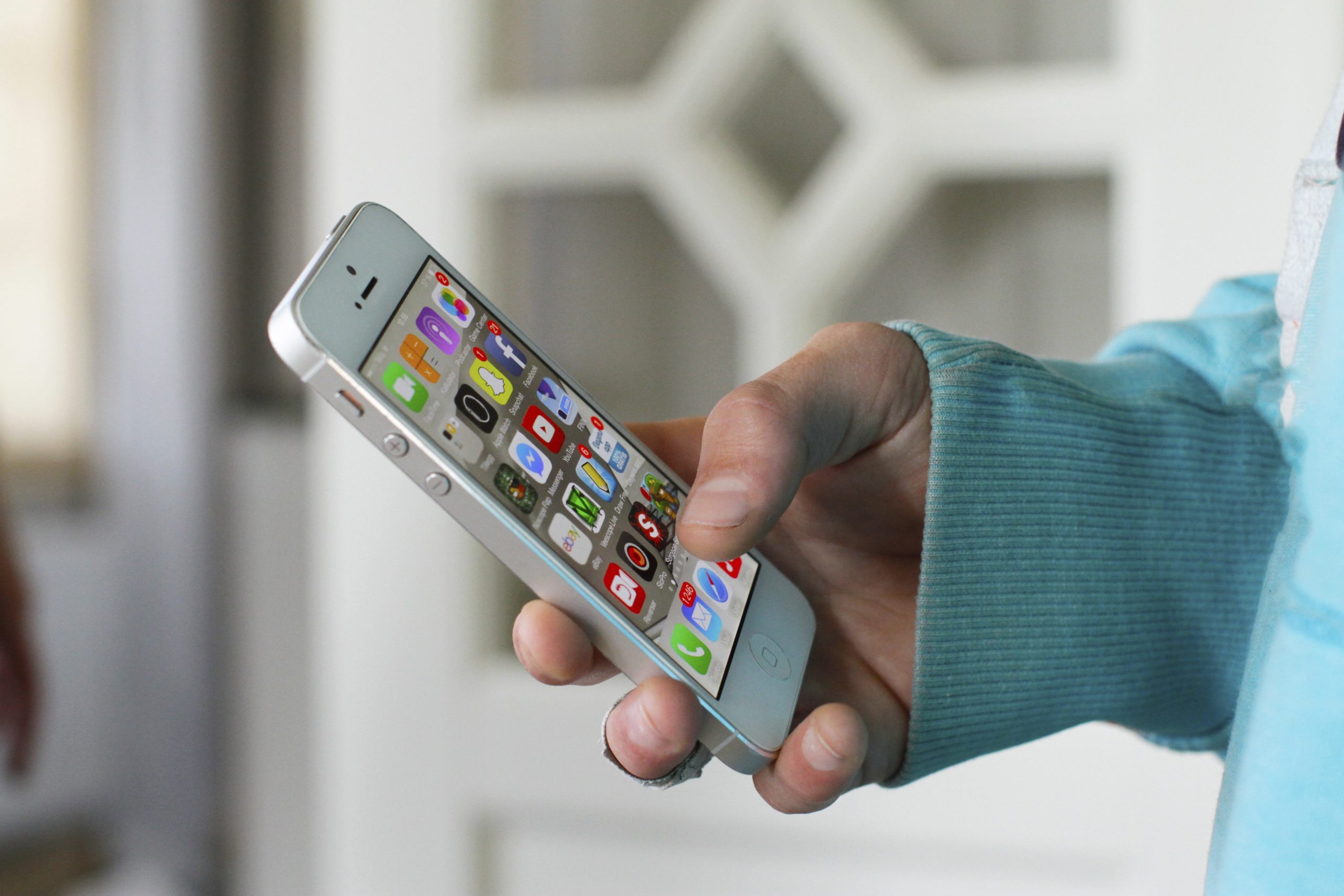
As mobile technology continues to shape the way guests interact with hotels, branded mobile apps are becoming an increasingly relevant tool in the hospitality industry. From streamlining operations to enhancing the guest experience, they offer a wide range of possibilities. However, despite their potential, many hotels still question whether developing an app is truly worth the investment.
A branded hotel app can be utilized in many ways – as a booking engine, a self-service platform, a room key, a means to promote your offer, destination, loyalty programs, or to directly communicate with your guests. It will serve as a reminder of your brand if it stays installed on their phones. But how do you get your (potential) guests to install the app? What adoption rate can you expect? Although introducing a branded mobile app can bring many benefits, most hospitality brands struggle with initial adoption and long-term engagement.
Before you decide whether a branded app is the way to go, check out these implementation Challenges & Tips
Limited value for independent hotels & adoption challenges
Hotel apps tend to be more effective for large brands and frequent guests who benefit from loyalty programs and personalized offers. Independent hotel guests are less likely to download an app unless there is a clear and immediate benefit. While adoption rates were once low, recent trends—especially driven by demand for contactless services—show that guests are now more open to using hotel apps.
Cost, maintenance & long-term investment
Developing a hotel mobile app can be costly, depending on its features. Unlike mobile websites, apps require separate versions for iOS and Android, as well as continuous updates to remain compatible with new devices and operating systems. This makes mobile apps a long-term investment rather than a one-time solution.
Encouraging downloads & preventing deletion
Guests are more likely to download an app if they receive clear incentives, such as special offers, upgrades, or exclusive deals. However, to keep the app installed, it must deliver ongoing value through quality, usability, and multiple functions. The most successful apps combine booking, in-stay services, and loyalty features in one place.
Self-service & digital guest experience
Introducing self-service features like mobile check-in/check-out or facility access allows guests to choose their preferred level of interaction. At the same time, it enables staff to focus more on personalized service for guests who value human interaction.
Communication, upselling & data insights
A hotel app acts as a direct communication channel, allowing guests to connect with staff via chat at any time. It also creates opportunities for upselling through push notifications, messages, and personalized offers. Additionally, apps provide valuable data on guest behaviour and preferences, helping hotels refine their services and marketing strategies.
Guest retention & balanced approach
Having your app on a guest’s phone allows you to stay connected long after check-out through loyalty programs, promotions, and review requests. However, it’s important not to rely solely on the app—technology should enhance, not replace, the human touch, especially for less tech-savvy guests.
Photo: Pixabay.com