
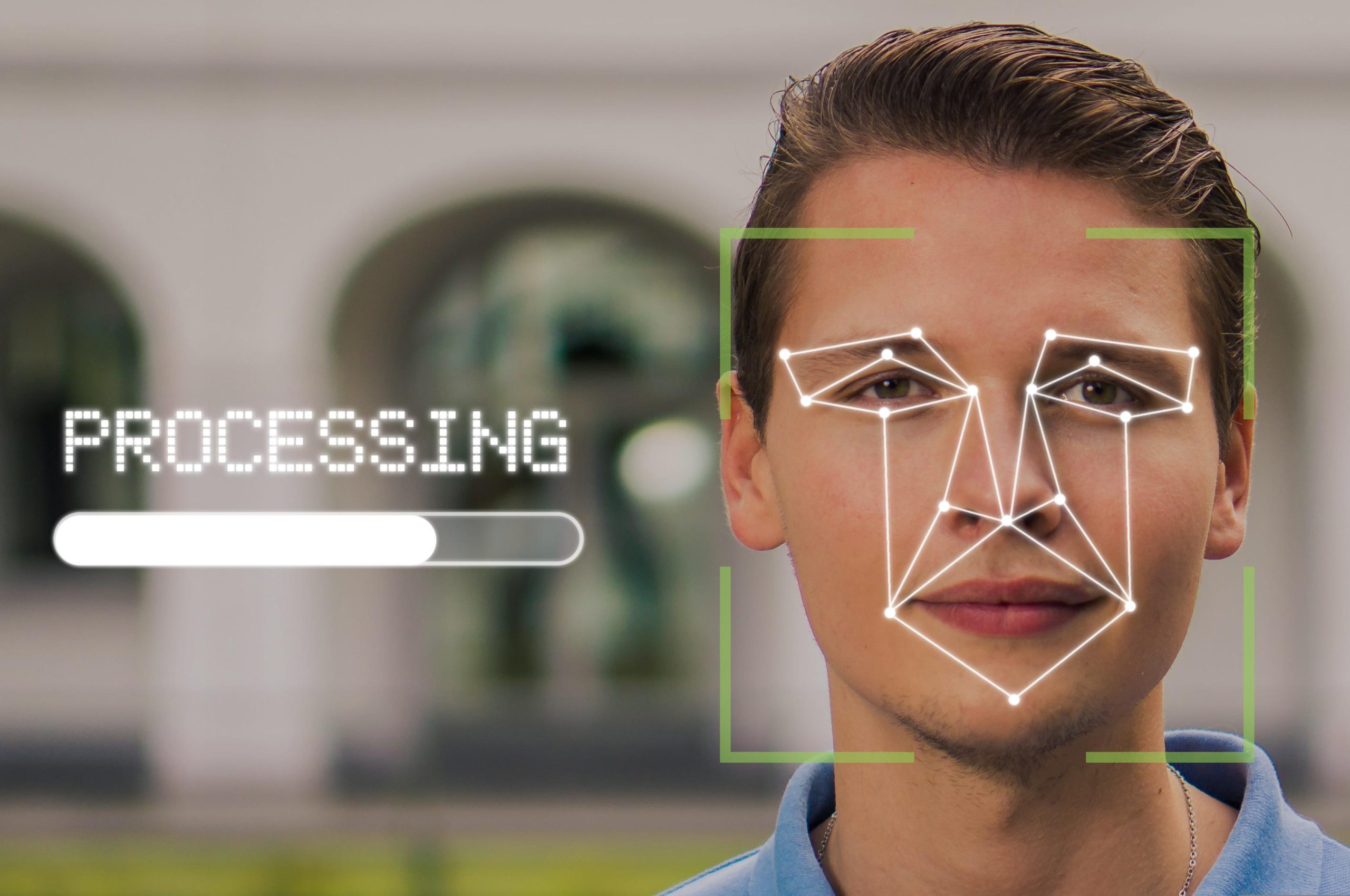
Facial recognition technology is rapidly entering the hospitality industry, offering faster service, improved security, and fully contactless guest experiences. It works by mapping a guest’s facial features into a digital “faceprint”, which is then used to verify identity in real time. In hotels, this is most commonly applied during check-in, allowing guests to bypass the front desk and complete the process independently at a kiosk. While the technology brings clear efficiency and convenience, it also raises important questions around privacy, cost, and reliability.
Potential benefits
- Greater efficiency, accuracy, and security
Hotels implementing the facial recognition system (FRS) report reduced check-in times and increased guest satisfaction. Marriott Hotels, for example, has reduced check-in time from three minutes to one. Compared to traditional ID checks, FRS offers greater accuracy and can enhance security by identifying undesirable guests and alerting staff when needed.
- Greater personalized service
FRS allows hotels to associate guest data with their facial identity, enabling staff to recognize guests instantly and provide tailored service. It can help identify VIP guests, personalize interactions, and support future offers based on guest preferences.
- Contactless experience
FRS enables a fully contactless journey, from check-in and room access to payments and even elevator use. It can also be integrated with POS systems and temperature checks, enhancing both convenience and safety.
Potential drawbacks
- Technology limitations
As a relatively new technology, FRS is still evolving. Issues such as system errors, camera angles, or changes in appearance can affect performance. For some guests, this technology may feel unfamiliar or uncomfortable.
- Privacy concerns
Many guests are concerned about how their biometric data is collected, stored, and used. Ensuring strong data protection and transparency is essential for building trust. Any data breach could significantly impact guest confidence and willingness to use such systems.
- Initial investment and guest willingness to participate
Implementing FRS requires financial investment and staff training.
Some initial efforts are expected from your guests as well as they willingly must disclose biometric (facial images), biographic information (e.g. name, address, payment method, and create profiles with hotels.
Photo: Pixabay.com